Rare Earth Recycling: Europe’s Fast Track to Supply Chain Resilience
A few weeks ago, I wrote about the pause that follows the end of a long chapter, and how that silence helps clarify where one can be genuinely useful next. This week feels like the beginning of that next chapter.
One topic that kept resurfacing during this pause is rare earth elements. Not the chemistry. The timeline and geopolitical problem.
Actually, interesting to notice that I was not aware how critical Rare Earth Elements were for Material Handling Industries.
Mining will remain essential, but new mines take decades, billions in capital, and immense geopolitical alignment. Industry, meanwhile, needs solutions measured in years.
This is where recycling changes the equation.
Recycling rare earth elements is not a niche sustainability story. It is a time advantage.
Faster deployment. Lower complexity. Scalable in ways new mining projects rarely are. It creates supply before new supply can realistically exist.
In a world that is rapidly regionalising supply chains, circularity becomes more than an environmental ambition. It becomes resilience!
Recycled materials are local by nature. They shorten supply chains, reduce geopolitical exposure, and create a buffer that traditional sourcing cannot easily replicate. For Europe in particular, this matters more than ever.
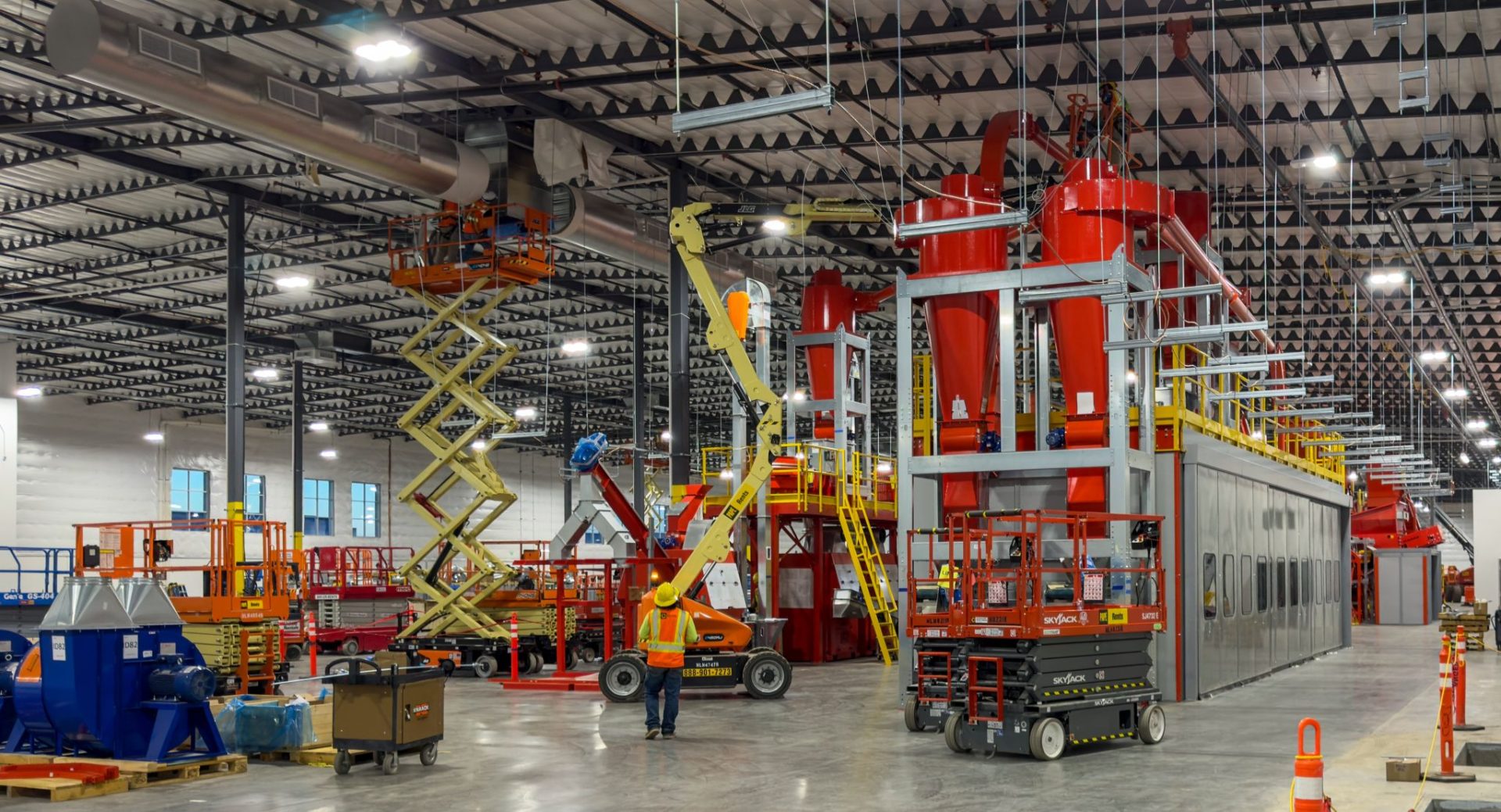
This is why companies like Cyclic Materials, originally from Canada and now expanding in Europe, are so interesting to watch.
They approach recycling not as a complement, but as a realistic pillar of the rare earth supply mix.
With the right partners, investors, industrial timelines and early commercialization proof, they are showing that circular supply chains can move from concept to scale.
Innovation often starts with technology.
But real impact begins when a business model makes that technology deployable at industrial speed.
This is exactly the type of transition I find worth contributing to in this new chapter. This is why I decided to join Cyclic Materials Advisory Board and will endeavour to support their development in Europe.
Happy to hear your thoughts about recycling or Europe’s critical supply chain elements ?
News
-
When AI leaves the screen — Part II
A few days ago, I wrote that AI becomes really interesting when it leaves the screen. Since then, the news has almost been making the case for me. In France,…
-
AI becomes really interesting when it leaves the screen.
In my previous post, I asked: What if European Tech is not dying — but maturing? Perhaps one of the best places to look for an answer is Artificial Intelligence.…
-
What if European Tech is not dying — but maturing?
Back from the summer break, with lots of things happening in the French startups landcape like Pasqal IPOs at the Nasdaq and raising $280m, or Mistral signing a large contract…